Writing
As BuiltLatest Insights.
Practical thinking on operations, scaling, and building businesses that run without you.
Index
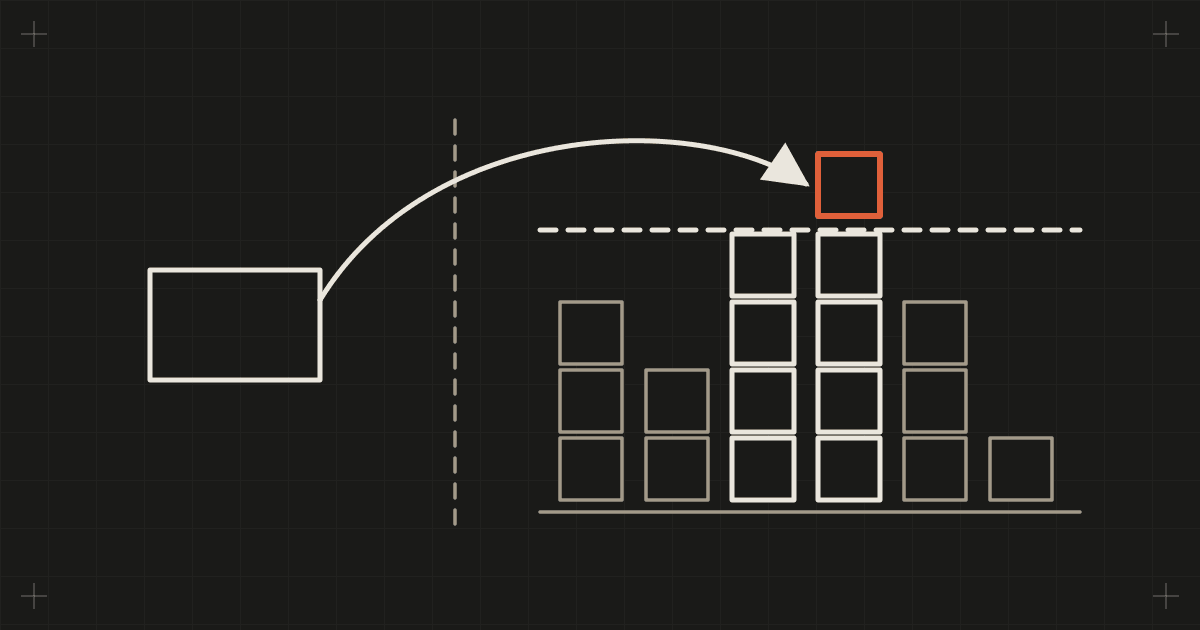
- Founder Ops3 min read21-Nov-2026The Record Quarter Your Partners DeliveredA firm can post its best delivery numbers in years while most of that work runs through channels or a few accounts. That reading rewards partner performance and masks thin internal capability. For strategic alignment in a founder-led business, the measure that counts is the share the firm could repe
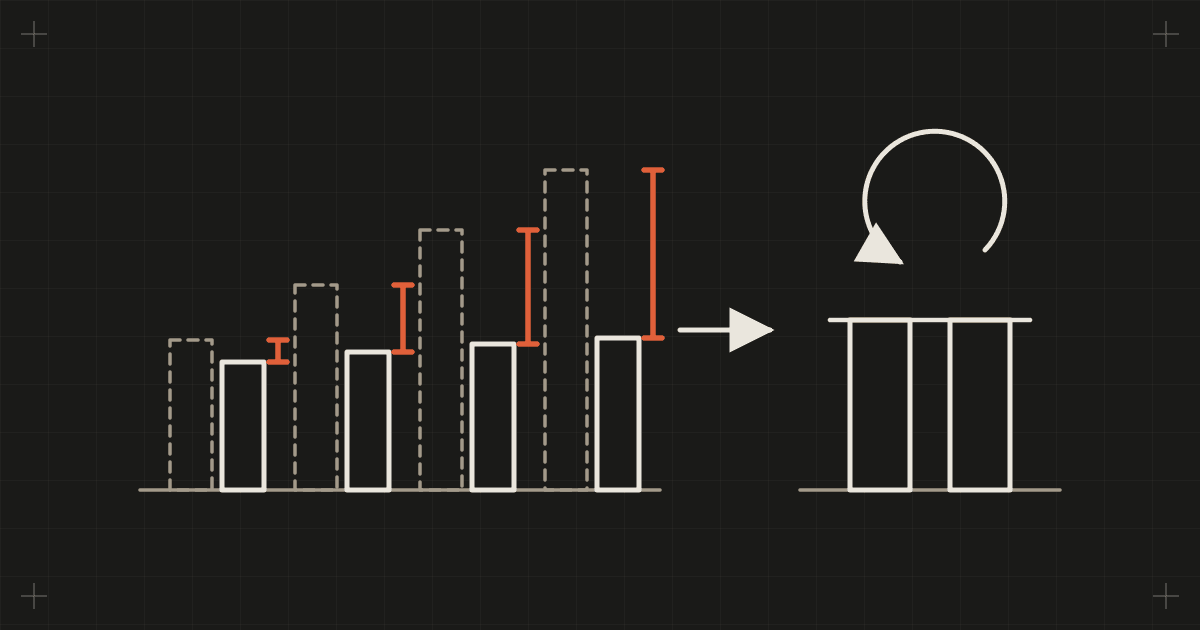
 Founder Ops3 min read14-Nov-2026The Date Sales Promised and Delivery Never SawCommitments are made where the deal is live, and capacity lives somewhere the person promising cannot see. When scaling operations in a founder-led business adds volume, that blind handoff turns every busy week into a set of promises the delivery calendar never agreed to. The slip comes from the str
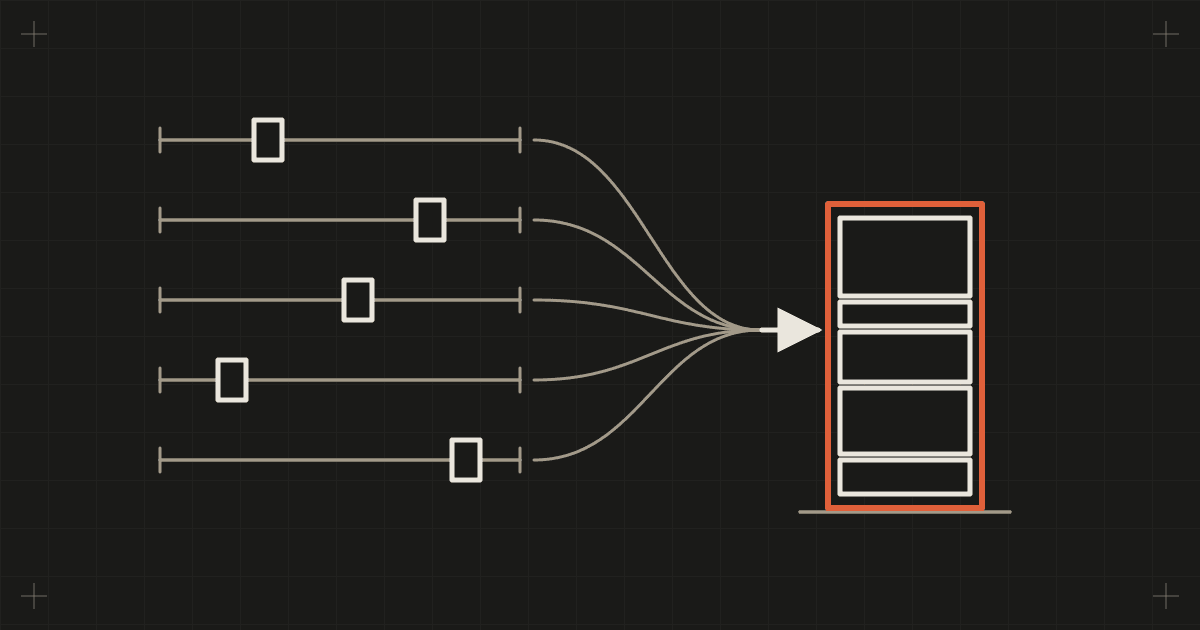
 Strategy3 min read07-Nov-2026The Offer Letter That Never Became a JoiningA firm should trust the number tied to money received, not the number tied to activity. Activity is cheap to record and flattering to report. When recognition rides on the recorded event instead of the one that pays, the execution gap that leaders of a scaling business feel widens one reporting cycl
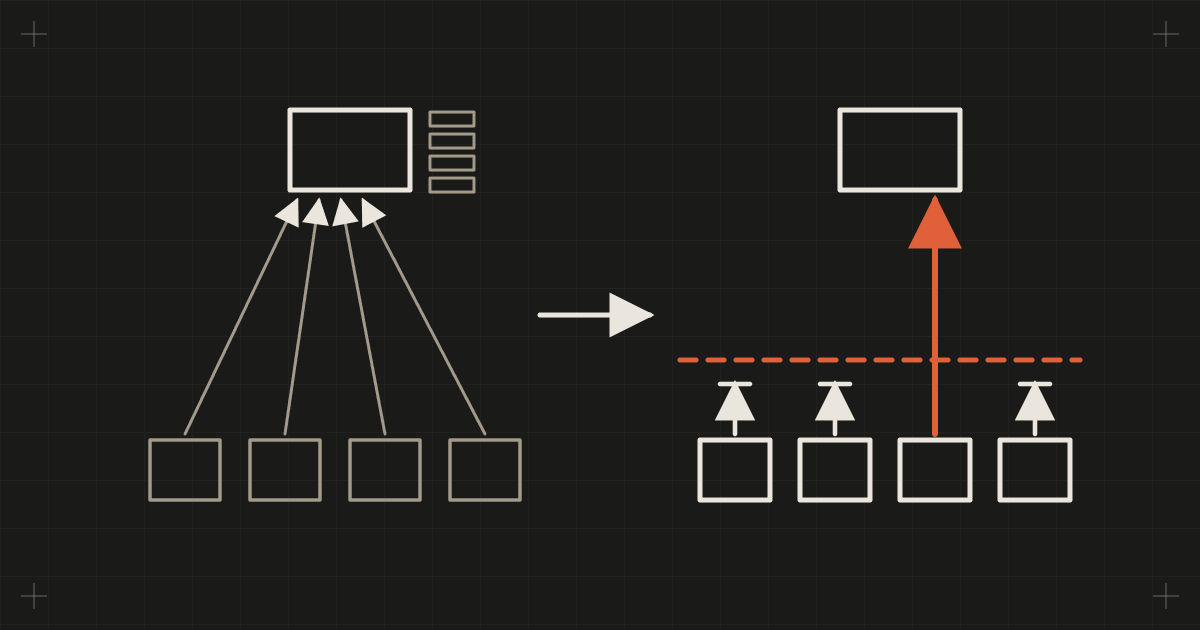
 Founder Ops3 min read06-Nov-2026What drives the cost of an operations consultantThe fee for an operations consultant in India moves with five things: how much of the firm the work covers, whether the consultant only advises or also builds, how many people have to be heard, how ready the firm's numbers are, and how much of the founder's time the work needs.
 Founder Ops3 min read05-Nov-2026Who fixes founder dependency in an Indian firmWhen every decision in a founder-led firm waits for the founder, there are three kinds of help the firm can bring in.
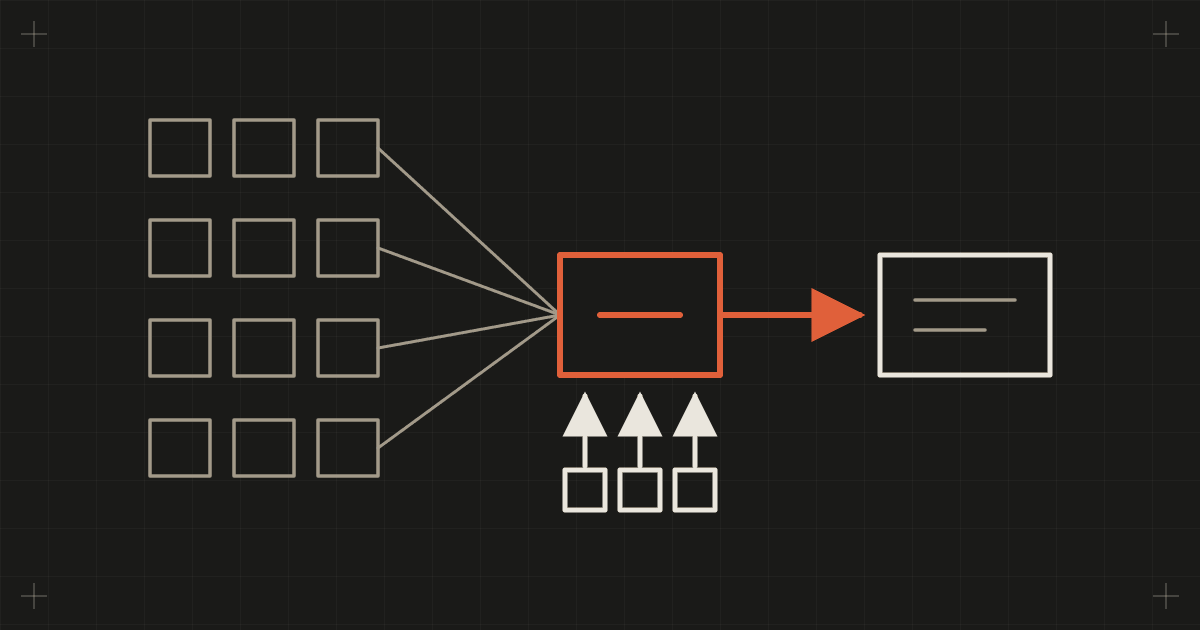 Founder Ops3 min read04-Nov-2026What a 14-day operations diagnosis gives a founderA founder who books Diagnose with MetMov gets one page at the end of 14 working days. That page names the single problem holding the firm back most, shows three pieces of evidence for it, and gives a first move with an owner and a date. This post explains what's on that page, what we ask the firm fo
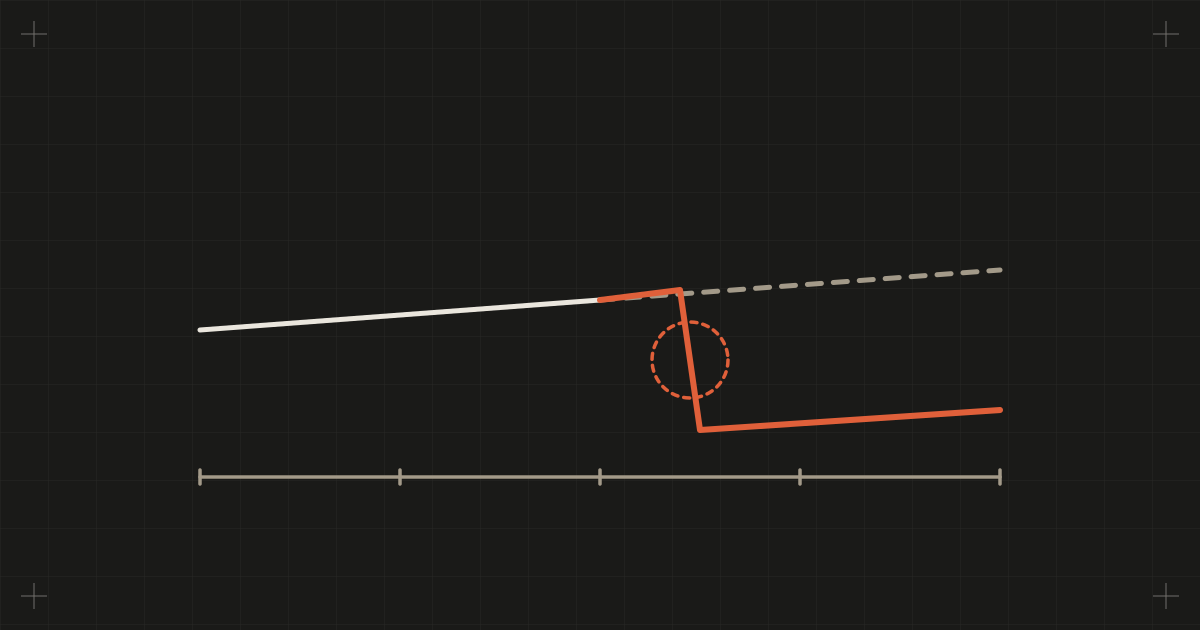 Founder Ops3 min read31-Oct-2026The Plan Assumes Next Quarter Looks Like This OneStability is the one thing a plan assumes and the one thing no market guarantees. When a market closes or costs spike, firms that handle business uncertainty in India well already hold a standing rule, so the shock triggers a known response rather than another late-night decision by one person.
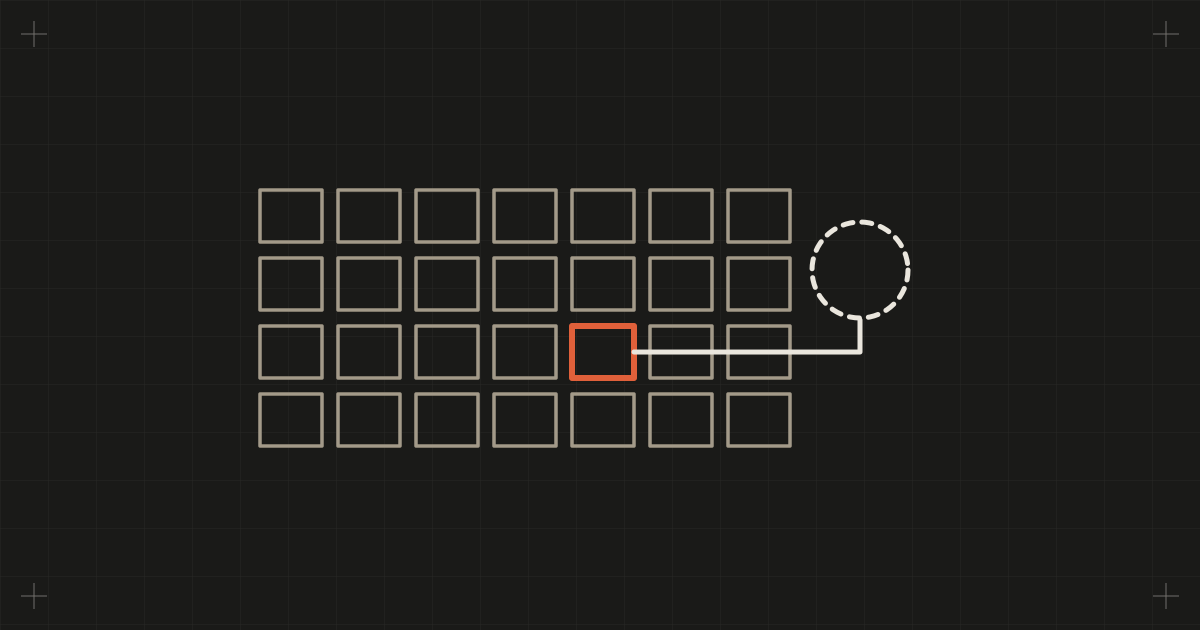 Founder Ops4 min read24-Oct-2026When a Filing Has No Real OwnerIn most founder-led firms the calendar has an owner in theory and none in practice. The register exists, the reminders arrive, and still the filing slips, because a business dashboard vs real governance turns on one question the tool never asks: when this date is missed, whose name is on it? Visibil
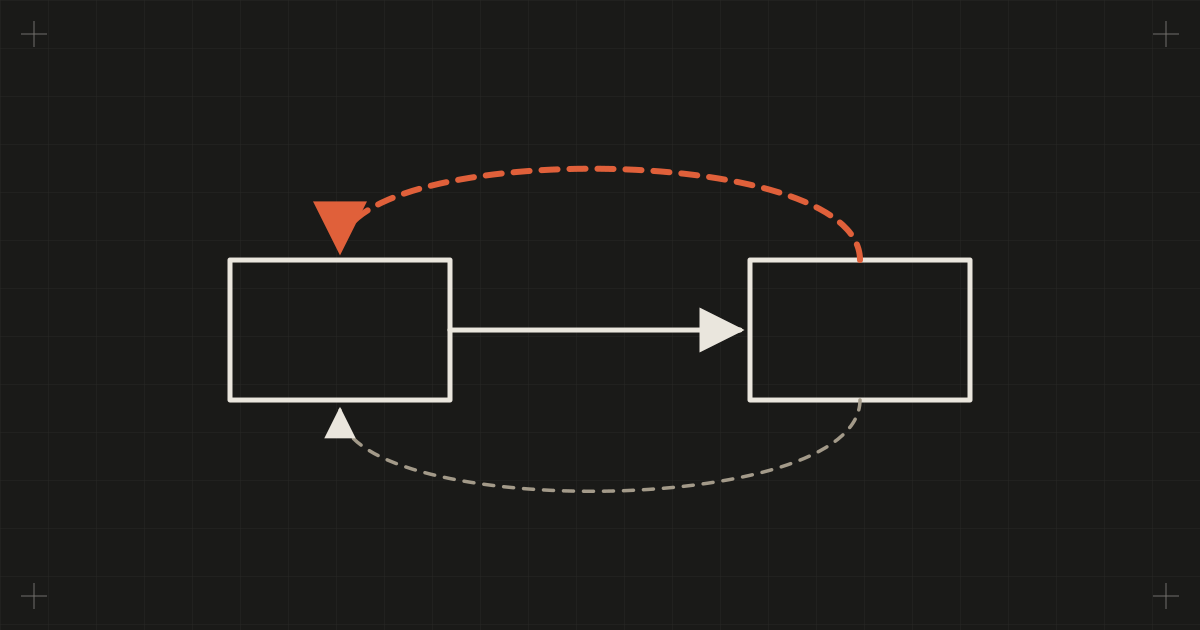 Founder Ops7 min read17-Oct-2026The Handoff That Always Needs a FollowupMost firms measure whether work gets completed. Very few measure whether the next owner can see it's complete without someone being sent to check, and that second gap is where execution slows as a business scales.
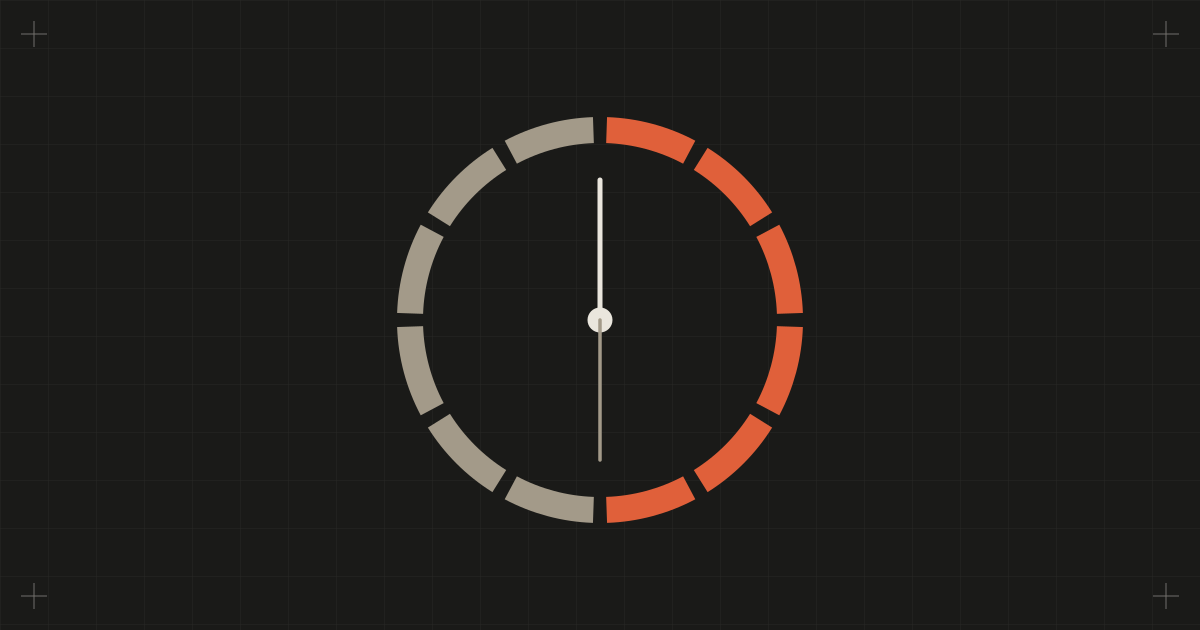 Founder Ops5 min read11-Oct-2026One Client Pays for Half the YearMost leadership teams treat client concentration as a finance topic. It shows up in a risk register, gets a paragraph in a diligence pack and earns a promise to diversify. Handled that way, it almost never gets resolved, because the cause sits in how the firm allocates its senior people.
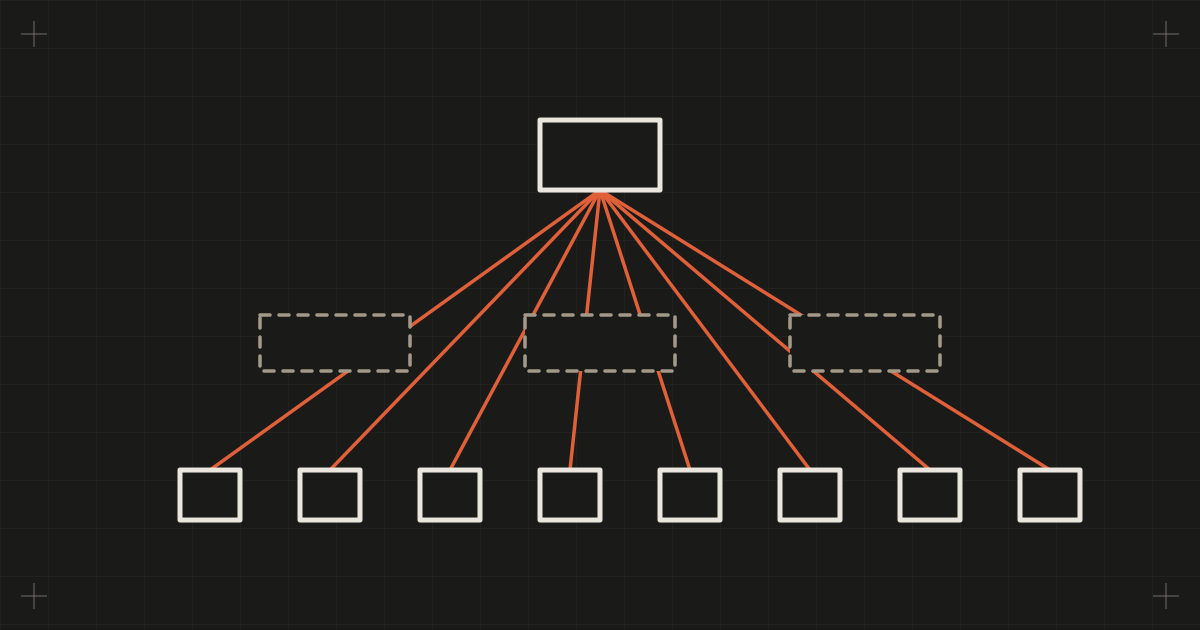 Founder Ops5 min read05-Oct-2026There Is No Layer Between the Team and the FounderMost founder dependence comes from a missing tier in the decision structure, more than from a founder who won't let go. With no owner for the middle tier, every medium-sized call travels all the way to the top.
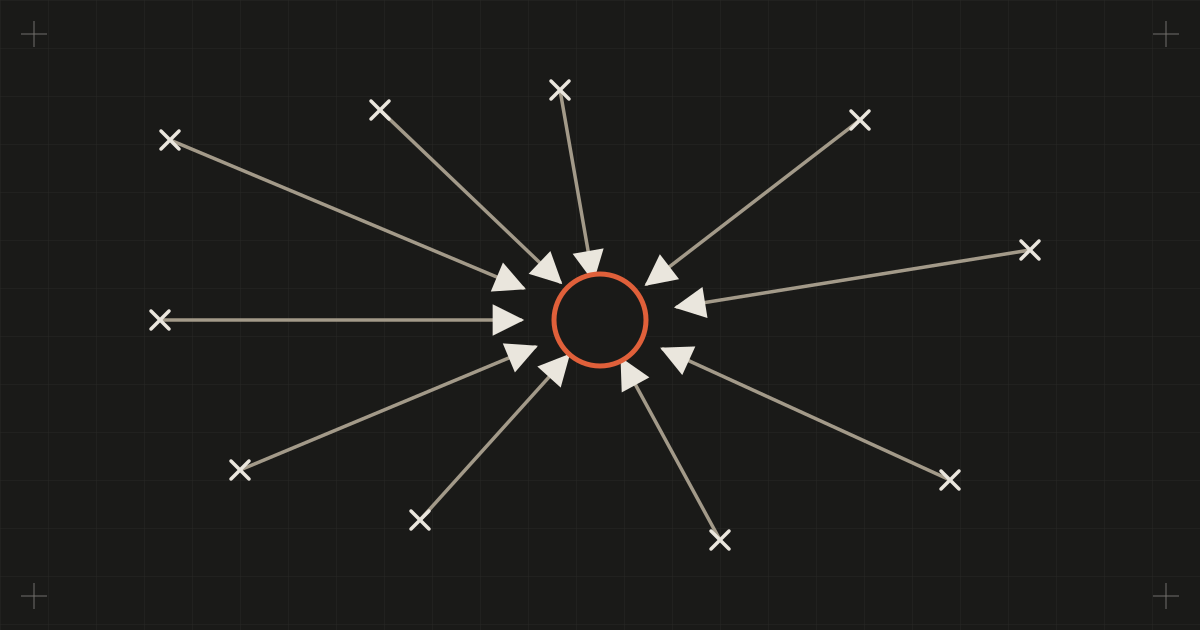 Founder Ops3 min read26-Sep-2026The Founder Who Carries Every Lost Deal HomeFounder burnout in a scaling business is usually a structural signal rather than a personal one. When no manager owns an outcome they can be measured against and lose, every miss escalates to the founder by default. The founder becomes the single owner of every result, and that is where the fatigue
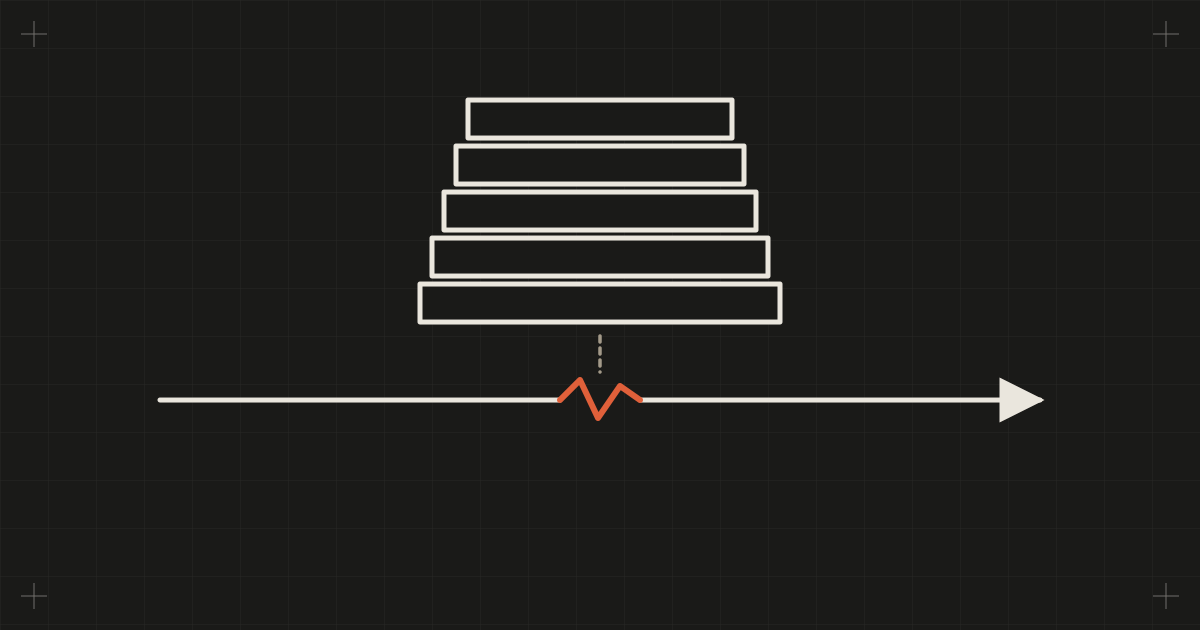 Founder Ops3 min read20-Sep-2026You Bought Software to Fix a Process ProblemIn founder-led firms between Rs.10 Cr and Rs.350 Cr, the software stack tends to grow in inverse proportion to the trust placed in it. The distinction that matters is business dashboard vs real governance, and most stacks are entirely on the wrong side of it.
 Founder OpsWhen Ops Expenses Creep SilentlyOpex rarely jumps in one move; it creeps a line at a time. In this global supply chain operation, named owners for each cost lever and a weekly review moved working capital from being managed in reaction to being improved alongside opex.
 Founder OpsThe Execution Gap in Scaling BusinessesSales counts leads, operations counts tickets and finance counts cash. That's three teams with three scoreboards and no shared idea of what a good week looks like for the business. A scaling firm loses speed in the gap between those numbers.
 AI6 min readJune 2026Why AI Can't Fix Decisions That Nobody OwnsAI won't fix an undefined operating model; it makes the same model run at a larger scale. When a founder-led firm automates a decision nobody owns, its structural debt grows faster.
 Founder OpsFounder Avoidance and Founder BurnoutEvery founder-led firm has one person nobody confronts. The workflows show it, because approvals and reviews bend around that person's desk. The founder may think a conversation is only being postponed, but the company has already been reorganised around avoiding it.
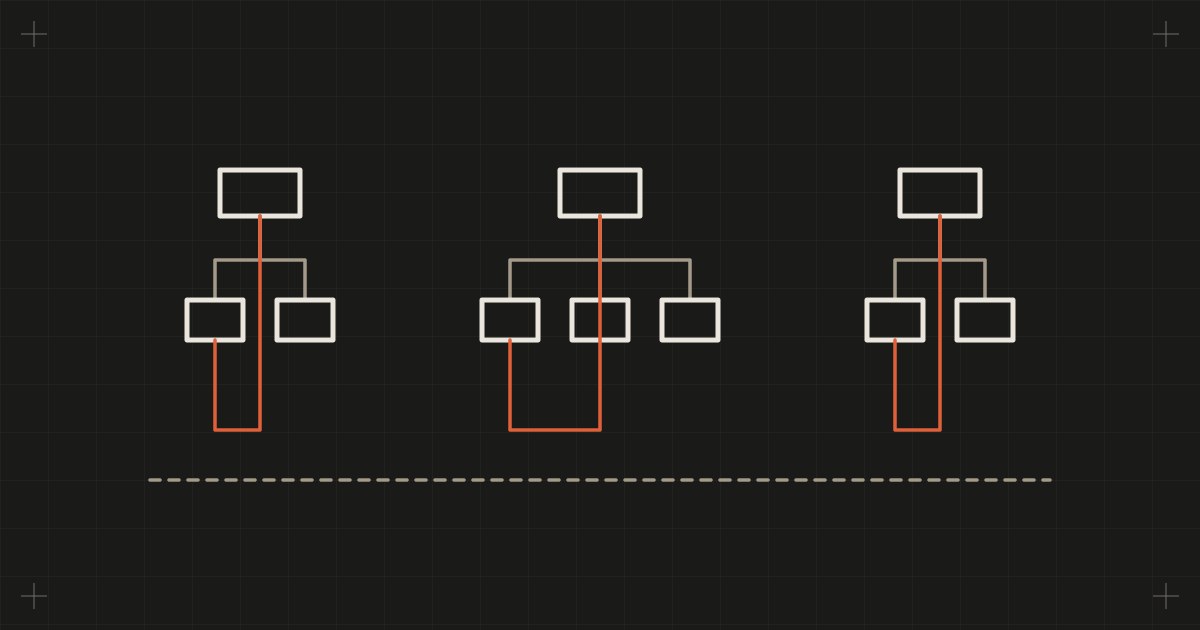 Founder OpsThe Reorg That Solved NothingThe firm is on its third org chart in two years, and the same three decisions still land on the founder's desk by Friday. A reorg moves boxes around, but it can't assign decisions. Structure means who decides what, with what data and by when, and the chart should be the last thing to change.
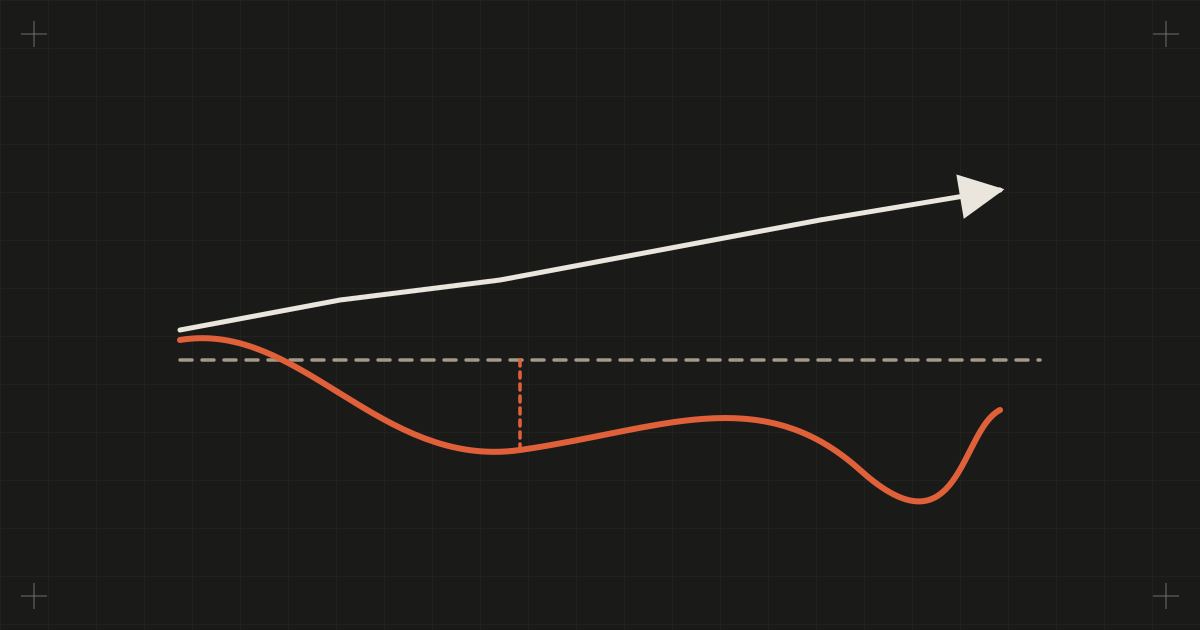 StrategyProfitable on Paper Tight in the BankThe P&L said it was a good month, and the bank balance said otherwise. Profit is an estimate the accounts produce once a month, while cash is a fact the bank produces every day. Most founders manage the monthly estimate closely and only watch the daily fact.
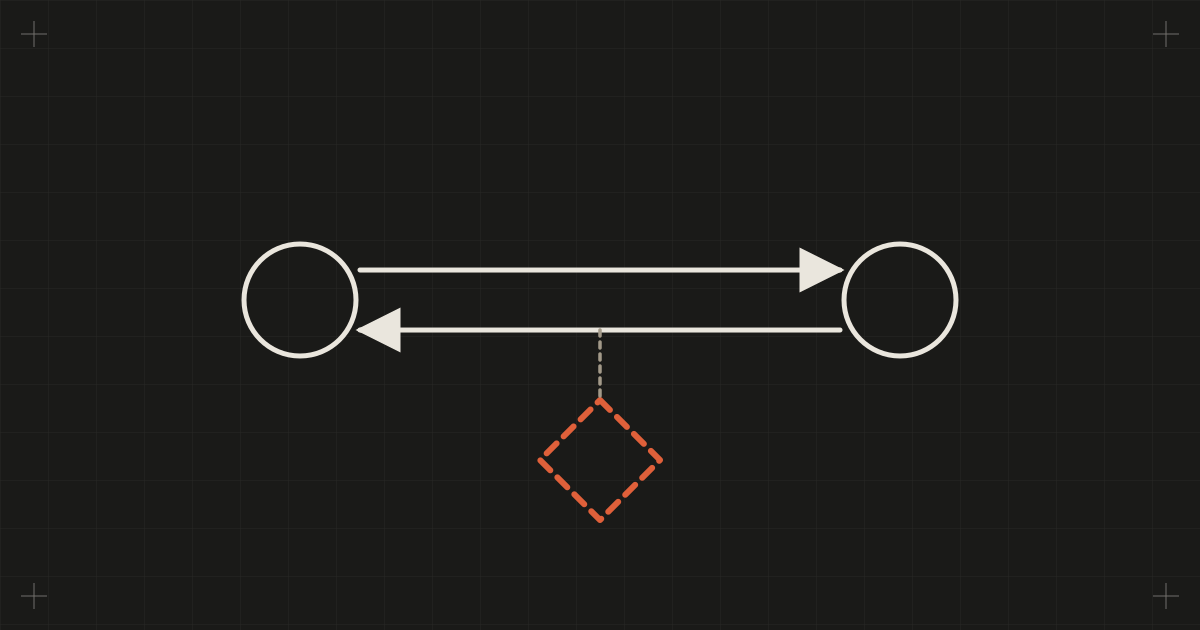 StrategyThe Decision Each Leader Thought the Other OwnedA decision nobody made and a decision two people each thought the other owned fail in the same way: nothing moves. The cause is usually a missing owner, and the people involved are rarely the problem.
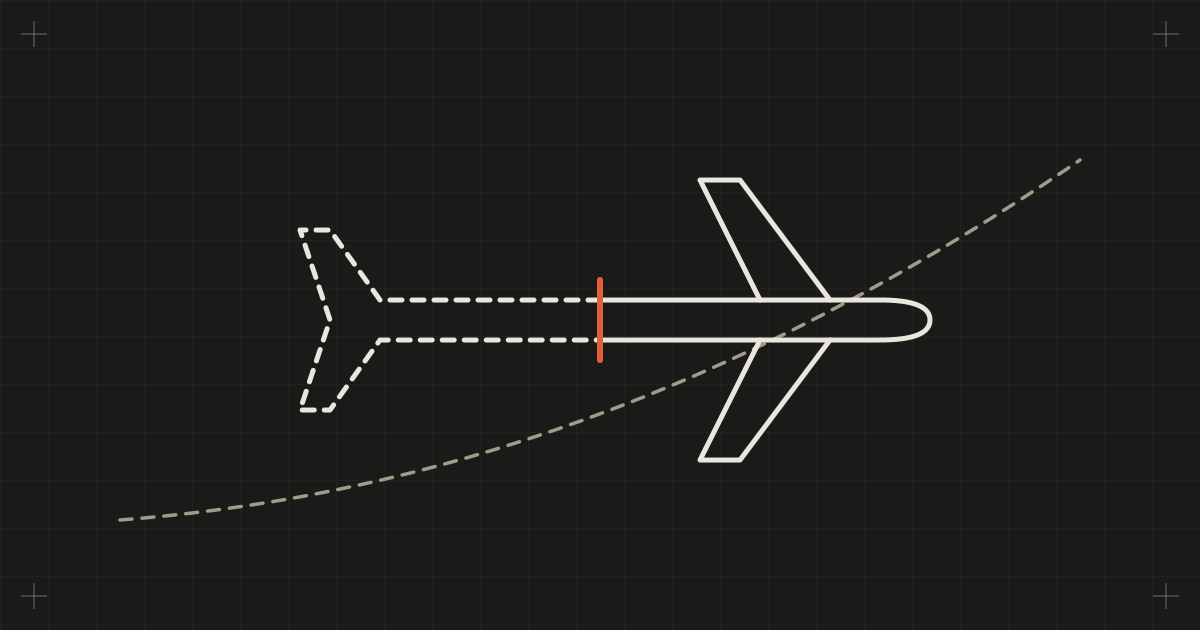 StrategyWhen the COO Builds the Plane Mid-FlightHow a founder-led startup with no operating structure got one in 10 months. New processes, a digital backbone and a sourcing strategy delivered a 7% cut in BOM cost, a 1-day servicing TAT and an ERP set up at zero external cost.
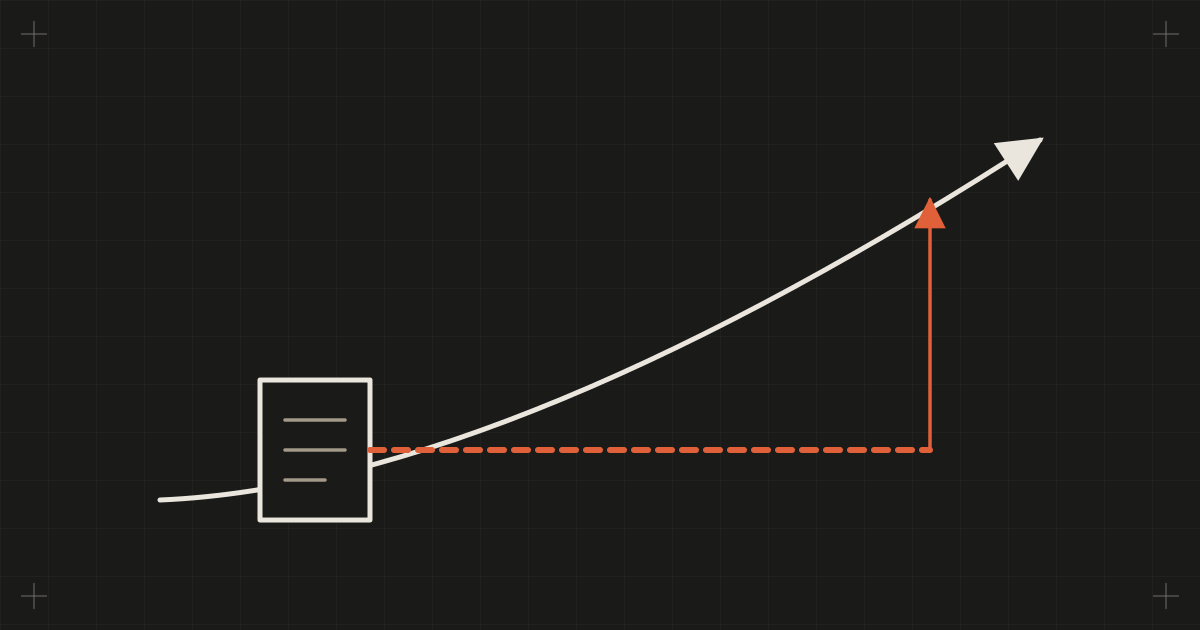 StrategyThe Plan Nobody RereadYour strategy was right two years ago, and nobody has checked whether it still is. A plan that leaders quote at Rs.60 Cr but that was written at Rs.18 Cr has turned into a souvenir of the smaller company.
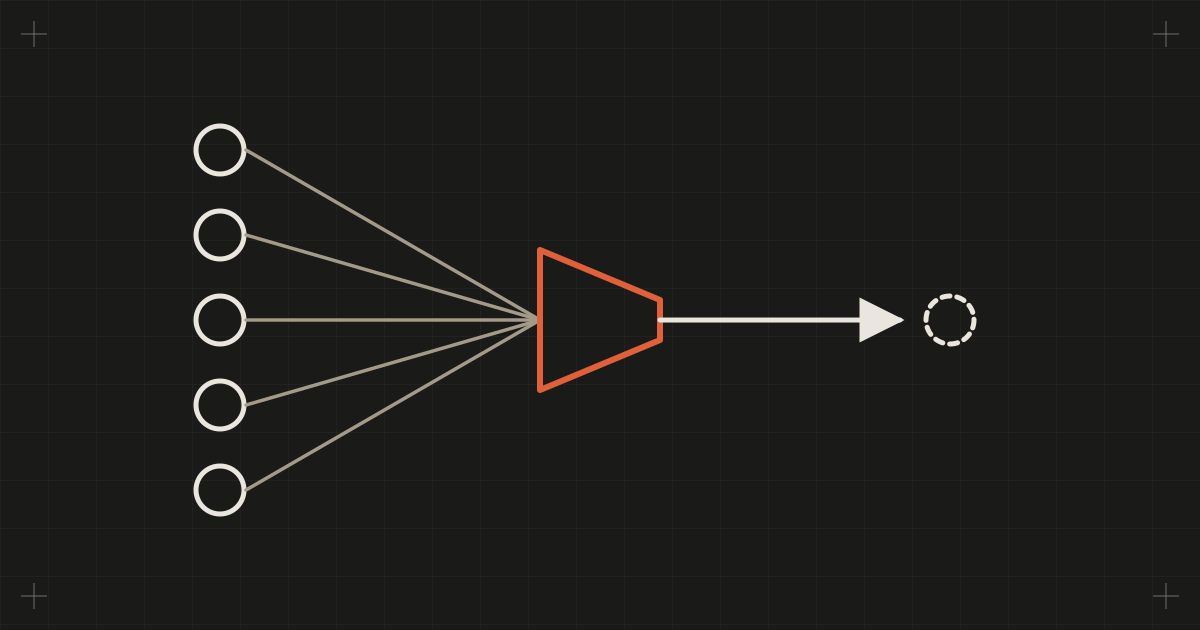 ScalingWhy New Hires Don't Add Delivery CapacityFive new people joined, and delivery capacity moved by about half a person. The number of hands was never the issue: every decision still went back to one desk. A firm pays for headcount, and it has to design capacity on purpose.
 StrategyWhen Sorting Becomes StrategyFast warehouse expansion left every hub running its own process, and throughput stopped growing. A standard operating model and a redesigned process architecture raised throughput by 15% without adding labour.
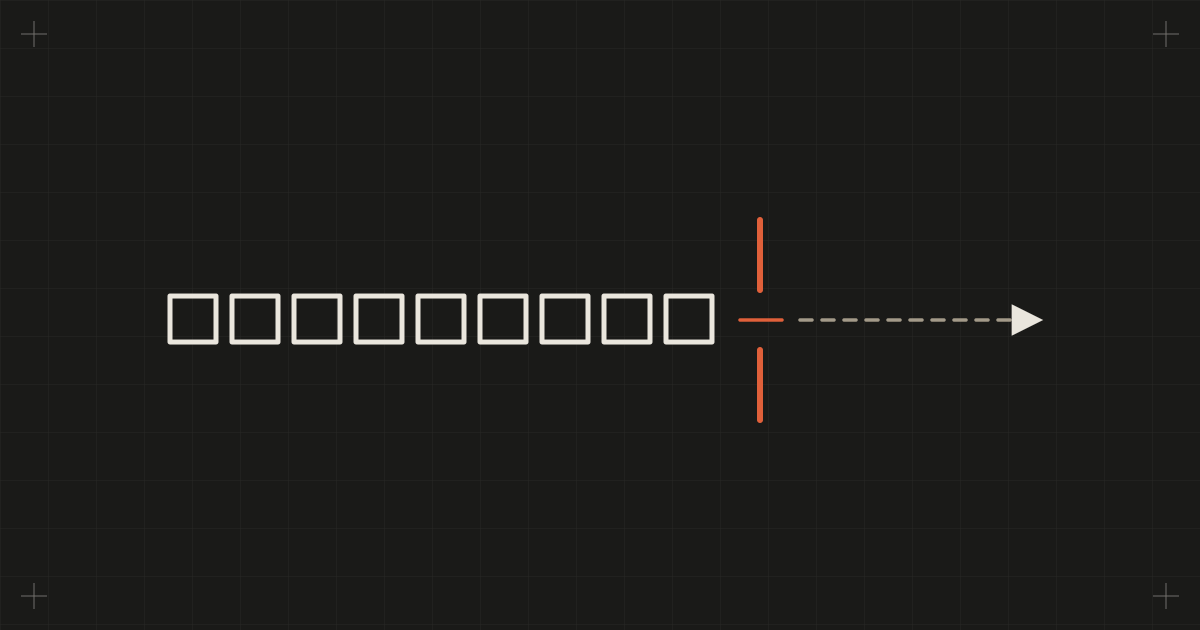 Founder OpsThe Review Bottleneck"Nothing ships until I've seen it." Founders say this as if it were a standard, but in practice it's a queue. Finished work waits days for a 40-minute review, and the team slowly stops finishing anything. What the founder built is a bottleneck with the founder's name on it, and the firm's quality control lives nowhere else.
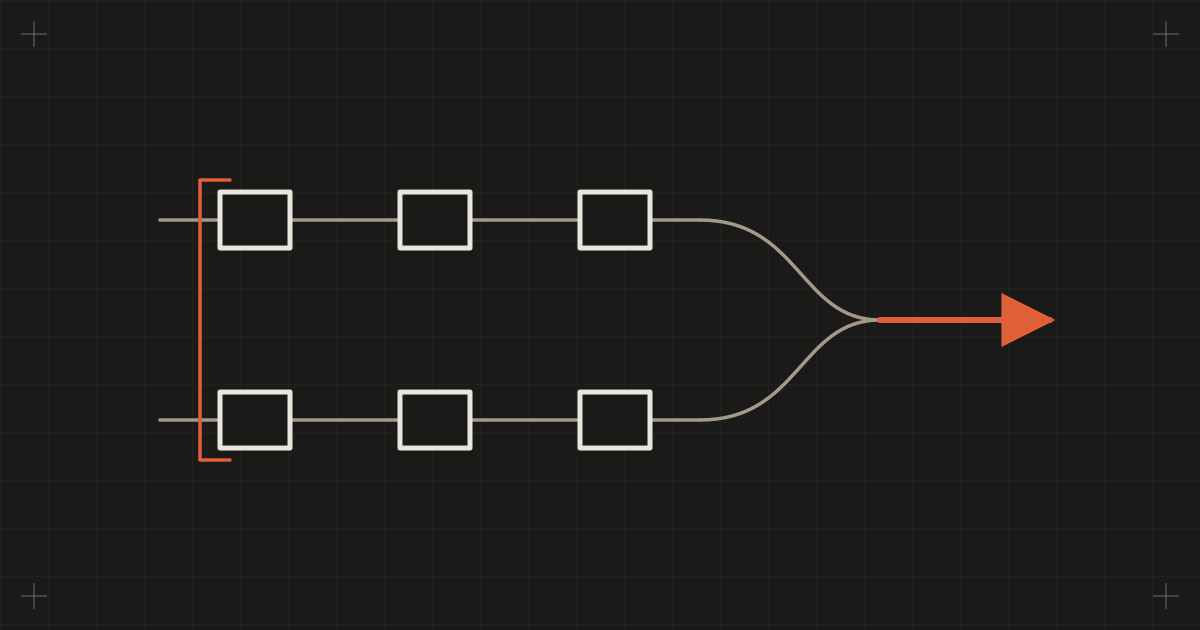 Ops6 min readWhat Two Parallel Supply Chains Really CostWhen two supply chains inside one business run as separate silos, the duplicated costs hide between the teams. Designing them as one integrated chain can bring large savings to the surface and keep them.
 Strategy5 min readWhen Every Decision Needs a MeetingIf a decision can't happen without a meeting, the firm doesn't have decision rights, only a calendar. Most founder-led firms grew their headcount and never grew the list of people allowed to decide alone.
 Strategy4 min readMarch 2025How To Write Your Consulting Firm Mission StatementFor a consulting firm, a mission statement does more work than a tagline: it sets the firm's positioning, filters its clients and states its promise. This piece shows how to write one that does all three.
 Scaling6 min readFebruary 2025How to Map Your Firm's Hidden Founder DependencyMost founders underestimate how much of their business runs on their own presence. This piece gives a practical framework for mapping that dependency and starting to remove it.
 Ops5 min readJanuary 2025Why Procedures Fail When Judgment Is MissingA thicker SOP binder won't make standards stick. This piece explains why most process documents sit unread, and what it takes for standards to hold on the warehouse floor.
 Founder Ops6 min readApril 2026Structural Debt and Undefined Decision ArchitectureA 2026 survey of Indian founders found that over 34% skipped fundraising because they had no bandwidth left to raise. This piece explains how structural debt causes that shortage and how a firm can map it and fix it.
 Scaling6 min readApril 2026Why Ownership Fails as a Founder-Led Firm GrowsIn founder-led businesses between Rs.10 Cr and Rs.350 Cr, accountability usually fails because nobody designed who decides what. This piece explains the signals, the fixes that don't work and the design that does.
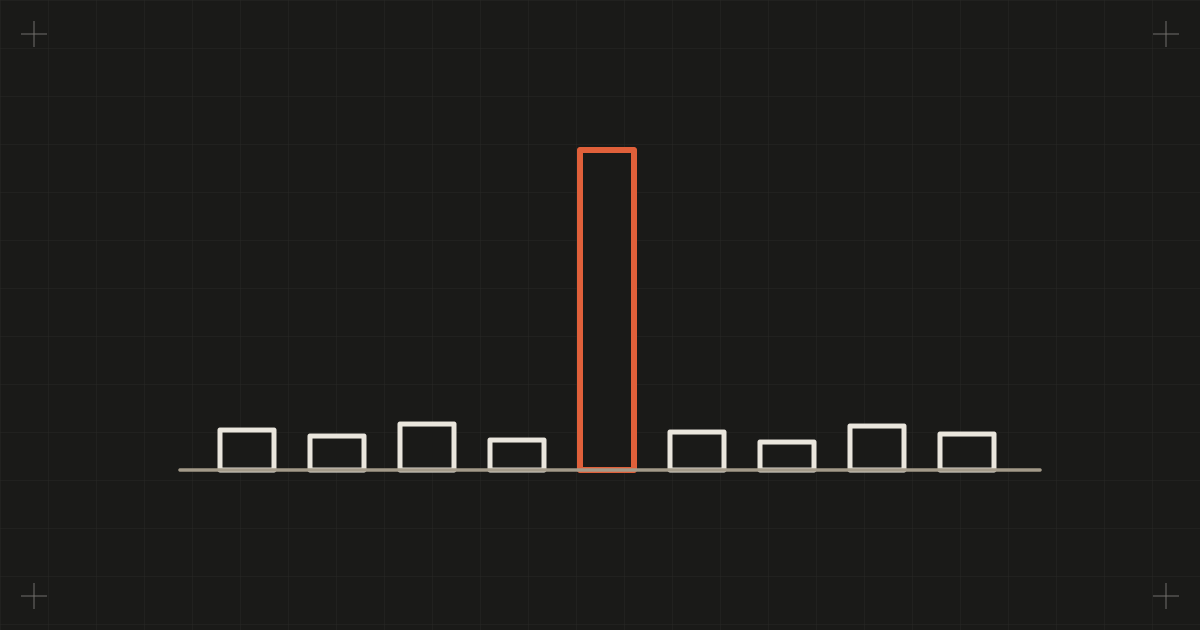 Scaling7 min readApril 2026Why Every Decision Still Comes Back to the FounderStrong companies hand out decision authority early and on purpose. Fragile ones let it pile up on the founder by default, because nobody ever designed where it should go.
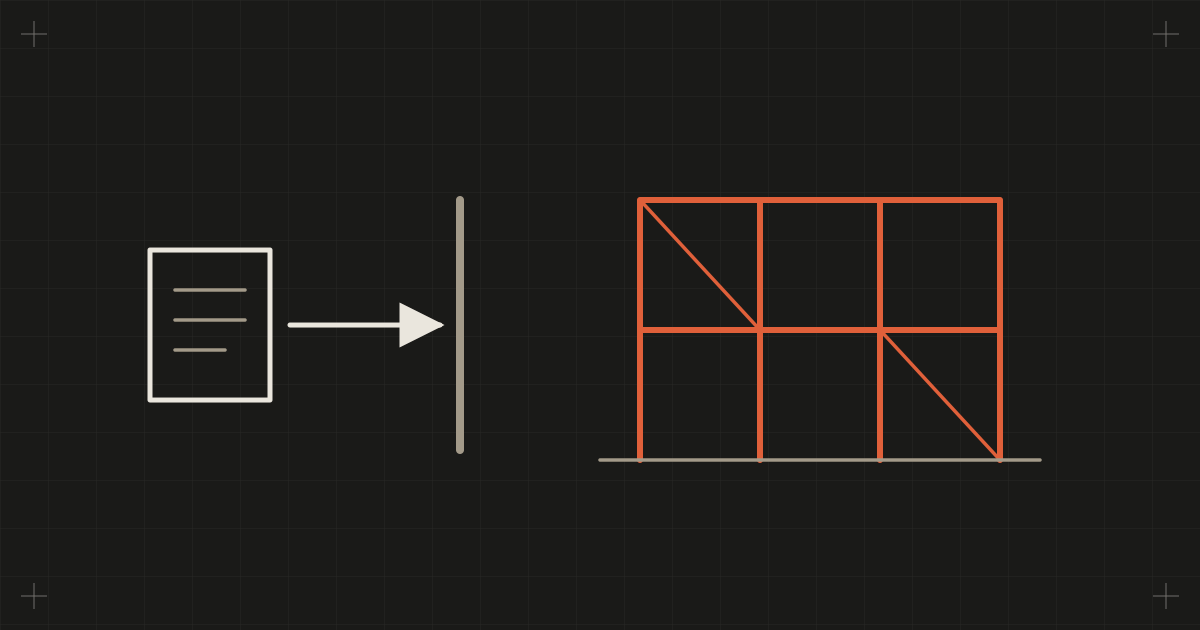 Strategy7 min readApril 2026Consulting Advice vs an Operating InstallAdvisory consulting assumes the client already has the people and structures to turn recommendations into working practice. An operating install builds those structures, so the change survives after the consultants leave.